
How to Start a Small Herb Garden Indoors: A Beginner’s Guide
besufai.pro >> Herb Garden>>Indoor Gardening>> How to Start a Small Herb Garden Indoors: A Beginner’s Guide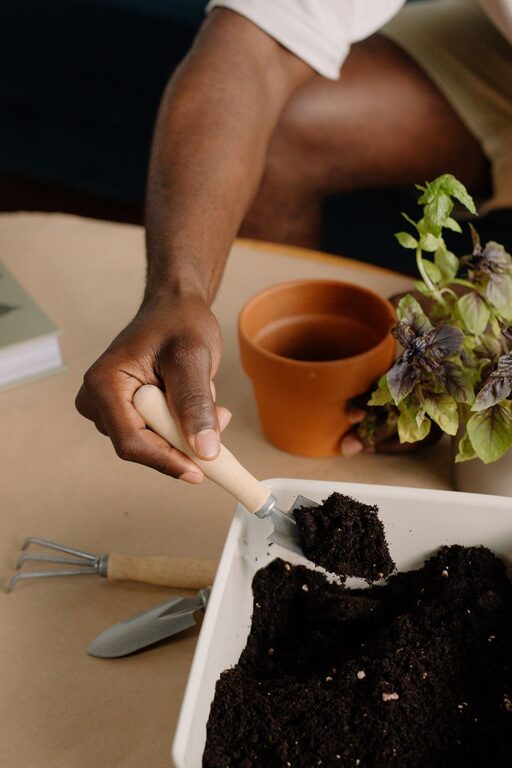
How to Start a Small Herb Garden Indoors: A Beginner’s Guide
Growing your own herbs indoors is a rewarding and enjoyable way to add fresh flavors to your cooking and bring a touch of greenery to your living space. Whether you have a large sunny window or just a small countertop, starting a small indoor herb garden is easier than you might think. This guide will walk you through everything you need to know to begin your indoor herb gardening journey.
Why Grow Herbs Indoors?
Indoor herb gardens offer several benefits:
– Fresh herbs year-round: No need to buy herbs from the store; harvest as you need.
– Convenient access: Keep your favorite herbs close to your kitchen.
– Improved air quality: Many herbs help purify the air.
– Decorative touch: Green plants brighten up any room.
Choosing the Right Herbs for Indoor Gardening
Not all herbs thrive indoors, so it’s best to start with varieties known for doing well inside. Some beginner-friendly herbs include:
– Basil: Popular in many dishes, requires lots of light.
– Mint: Hardy and grows quickly, but keep it contained as it spreads fast.
– Parsley: Grows well with moderate light.
– Chives: Easy to grow, adds a mild onion flavor.
– Thyme: A low-maintenance herb that prefers drier soil.
– Cilantro: Needs cooler temperatures and moderate light.
What You Need to Get Started
Before planting, gather these essentials:
– Containers: Choose pots with drainage holes to prevent waterlogging.
– Potting mix: Use a light, well-draining potting soil formulated for herbs or vegetables.
– Seeds or seedlings: Starting from seedlings is quicker, but seeds can be more cost-effective.
– Light source: Natural sunlight from a south or west-facing window is ideal. If light is limited, consider a grow light.
– Watering can: A small watering can helps control how much water you give your plants.
– Fertilizer: Use a balanced, water-soluble fertilizer sparingly to encourage growth.
Step-by-Step Guide to Planting Your Indoor Herb Garden
1. Select Your Containers
Pick pots that fit your space and have drainage holes. You can use traditional plant pots, repurposed containers, or even a window box.
2. Prepare the Potting Mix
Fill your containers with potting mix, leaving about an inch of space at the top.
3. Plant Your Seeds or Seedlings
– For seeds: Follow the planting depth instructions on the seed packet. Cover lightly with soil.
– For seedlings: Gently loosen the roots and plant at the same depth they were in their original container.
4. Water Carefully
Water the soil gently until moist but not soaked. Avoid overwatering, which can cause root rot.
5. Position Your Garden
Place your pots in a spot where they’ll receive 6 to 8 hours of sunlight daily. If natural light is limited, use a grow light positioned close to the plants.
6. Monitor and Maintain
– Water when the top inch of soil feels dry.
– Rotate your pots every few days to ensure even growth.
– Trim herbs regularly to encourage bushy growth and prevent flowering.
Caring for Your Indoor Herb Garden
Light
Herbs typically need plenty of bright, indirect sunlight. South-facing windows are usually best. If you notice leggy or pale plants, they may need more light.
Water
Check soil moisture frequently. Most herbs prefer slightly moist soil but not soggy. Water when the top inch is dry.
Temperature
Most herbs grow best between 65°F and 75°F. Avoid placing them near drafts, heaters, or air conditioners.
Fertilizer
Feed your herbs with a diluted, balanced fertilizer every 4 to 6 weeks during the growing season. Avoid over-fertilizing, which can reduce flavor.
Troubleshooting Common Issues
– Yellowing Leaves: May indicate overwatering or poor drainage.
– Leggy Growth: Insufficient light; move plants to a brighter spot.
– Pests: Occasional aphids or spider mites can be wiped off with a damp cloth or treated with natural insecticidal soap.
– Wilting: Check soil moisture — either too dry or overwatered.
Harvesting Your Herbs
Begin harvesting once herbs are well-established—usually a few weeks after planting. Use scissors to snip leaves and stems, harvesting no more than one-third of the plant at a time to keep it healthy.
Tips for Success
– Start small: Choose 2 to 3 herbs to grow initially.
– Keep a gardening journal: Track watering, light, and growth progress.
– Group plants with similar needs together.
– Experiment with herb blends in your cooking to make the most of your harvest.
—
With a little care and patience, your indoor herb garden will thrive and provide fresh, fragrant herbs for your meals and enjoyment. Happy gardening!