
How to Start a Gratitude Journal for a Happier Life
besufai.pro >> Gratitude>>Journaling>> How to Start a Gratitude Journal for a Happier Life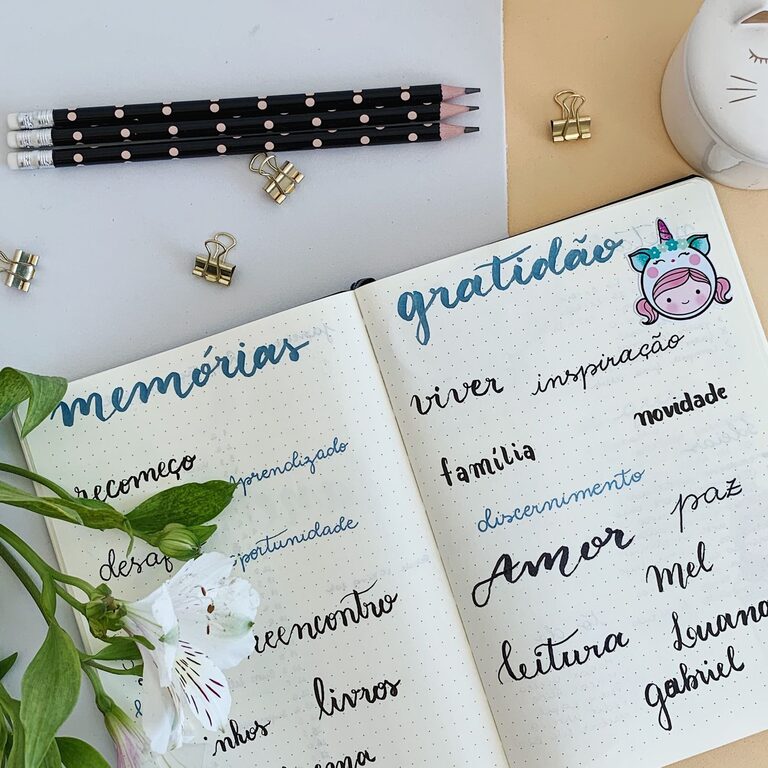
How to Start a Gratitude Journal for a Happier Life
Starting a gratitude journal is a simple yet powerful way to cultivate positivity and mindfulness in your daily life. By regularly noting what you appreciate, you can shift your focus from challenges to blessings, improving your overall well-being. If you’ve been thinking about beginning a gratitude journal but aren’t sure where to start, this guide will walk you through everything you need to know.
What Is a Gratitude Journal?
A gratitude journal is a personal diary where you record things you feel thankful for. It can include anything from big life moments to small everyday pleasures. This practice encourages you to pause, reflect, and acknowledge the positive aspects of your life.
Benefits of Keeping a Gratitude Journal
Before diving in, it’s helpful to understand why gratitude journaling can be beneficial:
– Improves mental health: Regularly focusing on gratitude can reduce stress and increase happiness.
– Enhances mindfulness: Writing about gratitude helps you stay present and aware.
– Strengthens relationships: Noticing and appreciating others fosters deeper connections.
– Boosts optimism: Gratitude shifts your mindset toward positivity and hope.
– Encourages better sleep: Reflecting on good experiences before bed can promote restful sleep.
How to Start Your Gratitude Journal
Starting your gratitude journal is easy and does not require special tools. Follow these steps to build the habit effectively.
1. Choose Your Journal Medium
Decide if you want a physical notebook or a digital journal app. Both have advantages:
– Physical notebook: Writing by hand can be more personal and help you slow down.
– Digital app: Easy to use on the go, searchable, and can include photos or voice notes.
Pick what works best for your lifestyle and preferences.
2. Set a Regular Time to Write
Consistency helps turn journaling into a habit. Pick a time that feels natural, such as:
– Morning: Start your day with positive thoughts.
– Evening: Reflect on the day’s highlights before bed.
You might even try both times to see what fits you best.
3. Keep It Simple and Manageable
You don’t need to write long entries. Start with just a few lines or bullet points per entry. For example, list 3 things you are grateful for each day. This makes the practice less overwhelming and easier to sustain.
4. Use Prompts to Guide You
If you’re unsure what to write about, prompts can help. Here are some ideas:
– What made you smile today?
– Name one kind thing someone did for you.
– What is a personal strength you are grateful for?
– Recall a place that brings you peace.
– List three things you often take for granted.
5. Be Specific and Personal
Instead of generic statements like “I’m grateful for my family,” try to be more detailed: “I’m grateful for the fun phone call with my sister today.” Specificity makes your gratitude more meaningful and memorable.
6. Include Positive Moments and Challenges
Gratitude isn’t just about easy times. You can find value even in tough situations by recognizing lessons learned or unexpected support you received.
7. Reflect on Your Entries Regularly
Look back through your journal once in a while. This reflection can boost your mood and remind you of your growth over time.
Tips for Maintaining Your Gratitude Journal
– Be patient: It might take a few weeks before gratitude journaling feels natural.
– Make it enjoyable: Use colorful pens, stickers, or inspirational quotes to personalize your journal.
– Share with others: Occasionally sharing your gratitude can inspire those around you.
– Avoid judgment: It’s okay if some days are harder than others. The goal is progress, not perfection.
Common Challenges and How to Overcome Them
– Forgetting to write: Set reminders on your phone or tie journaling to an existing routine, like brushing your teeth.
– Running out of things to say: Use new prompts or focus on different areas of your life.
– Feeling insincere: Start with small, genuine things and allow your feelings of gratitude to grow naturally.
Final Thoughts
Starting a gratitude journal is a simple practice that can have a big impact on your happiness and well-being. By dedicating just a few minutes each day to noting what you appreciate, you open the door to greater mindfulness and positivity. Remember, the most important part is simply to begin — there’s no perfect way to keep a gratitude journal. Find the style and rhythm that work for you, and enjoy the journey toward a more grateful life.